AI in Marketing: Transforming the Future of Customer Engagement
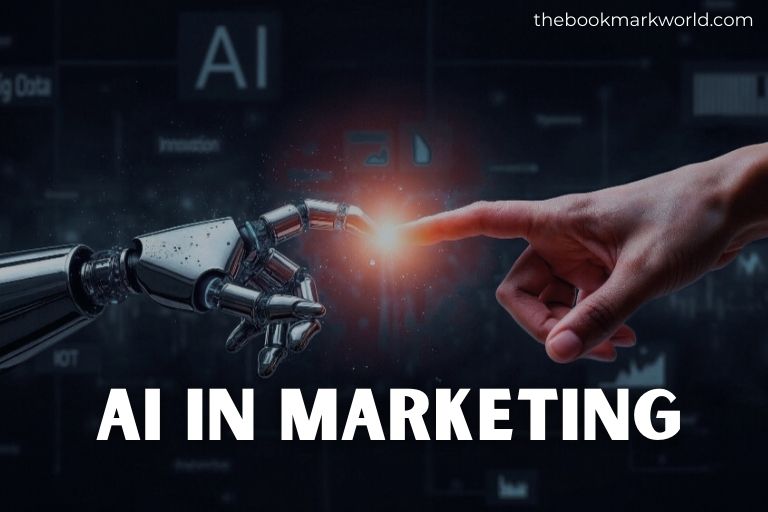
Artificial Intelligence (AI) has become one of the most influential technologies in modern marketing. As businesses face increasing competition and rapidly changing consumer behavior, AI helps marketers make smarter decisions, personalize customer experiences, and improve efficiency. By analyzing massive amounts of data at high speed, AI enables marketing strategies that are more accurate, scalable, and customer-centric than ever before.
Understanding AI in Marketing
AI in marketing refers to the use of machine learning, natural language processing, predictive analytics, and automation to improve marketing activities. These technologies help marketers understand customer behavior, predict future trends, and deliver highly relevant content. Unlike traditional marketing methods that rely heavily on human intuition, AI-driven marketing is data-driven and adaptive.
Personalization at Scale
One of the biggest advantages of AI in marketing is personalization. Today’s consumers expect brands to understand their needs and preferences. AI analyzes customer data such as browsing history, purchase behavior, and social media interactions to deliver personalized recommendations, emails, and advertisements.
For example, e-commerce platforms use AI to recommend products based on previous purchases. Streaming services suggest movies or music tailored to user preferences. This level of personalization increases customer satisfaction, engagement, and brand loyalty while also boosting conversion rates.
AI-Powered Customer Insights
AI tools can process vast datasets that would be impossible for humans to analyze manually. By identifying patterns and trends, AI helps marketers gain deep insights into customer behavior. Predictive analytics allows businesses to forecast future buying behavior, customer lifetime value, and churn risk.
With these insights, marketers can make informed decisions about pricing, product development, and campaign planning. This reduces guesswork and ensures that marketing efforts are aligned with actual customer needs.
Chatbots and Conversational Marketing
AI-powered chatbots have transformed customer service and engagement. Available 24/7, chatbots can answer frequently asked questions, assist with product selection, and guide users through the buying process. This improves response time and customer satisfaction while reducing operational costs.
Conversational AI also plays a key role in lead generation. Chatbots can qualify leads by asking relevant questions and directing potential customers to the right sales channels. Over time, machine learning enables chatbots to become more accurate and human-like in their responses.
Content Creation and Optimization
AI is increasingly used in content marketing. Tools powered by AI can generate social media captions, email subject lines, blog outlines, and even full articles. While human creativity remains essential, AI helps marketers save time and maintain consistency.
AI also optimizes content performance by analyzing which headlines, keywords, and formats perform best. Search engine optimization (SEO) tools use AI to suggest keywords, analyze competitors, and improve content ranking on search engines.
Programmatic Advertising
AI plays a major role in digital advertising through programmatic ad buying. This process uses AI algorithms to automatically purchase ad space in real time, targeting the right audience at the right moment. AI considers factors such as user behavior, demographics, and device usage to maximize ad effectiveness.
As a result, businesses experience higher return on investment (ROI) and reduced advertising waste. AI continuously learns from campaign performance and adjusts strategies for better results.
Ethical Considerations and Challenges
Despite its benefits, AI in marketing comes with challenges. Data privacy and security are major concerns, as AI relies heavily on customer data. Businesses must comply with data protection regulations and ensure transparency in how data is collected and used.
Another challenge is over-automation. Excessive reliance on AI can lead to generic messaging or loss of human touch. Therefore, the most effective marketing strategies combine AI technology with human creativity and ethical responsibility.
The Future of AI in Marketing
The future of marketing is closely tied to AI innovation. As technology advances, AI will become even more predictive, personalized, and interactive. Voice search, visual recognition, and augmented reality powered by AI will further reshape customer experiences.
Marketers who embrace AI early will gain a competitive advantage by delivering smarter, faster, and more meaningful interactions. Ultimately, AI is not replacing marketers—it is empowering them to work more strategically and creatively.
| AI Application | Description | Marketing Benefit | Example Tools |
|---|---|---|---|
| Customer Personalization | Analyzes customer data to deliver personalized content and offers | Higher engagement and conversion rates | Amazon Recommendations, Netflix AI |
| Chatbots | Automated conversational agents for customer support | 24/7 customer service and cost reduction | ChatGPT, Drift, Intercom |
| Predictive Analytics | Forecasts customer behavior and future trends | Improved decision-making and planning | IBM Watson, Salesforce Einstein |
| Content Generation | Creates and optimizes marketing content using AI | Time savings and consistent messaging | Jasper AI, Copy.ai |
| Programmatic Advertising | Automated real-time ad buying using AI algorithms | Better targeting and higher ROI | Google Ads AI, Meta Ads |